The Quantum Computing Race: 7 Breakthroughs Bringing Us Closer to the Impossible
Music
Nov 18
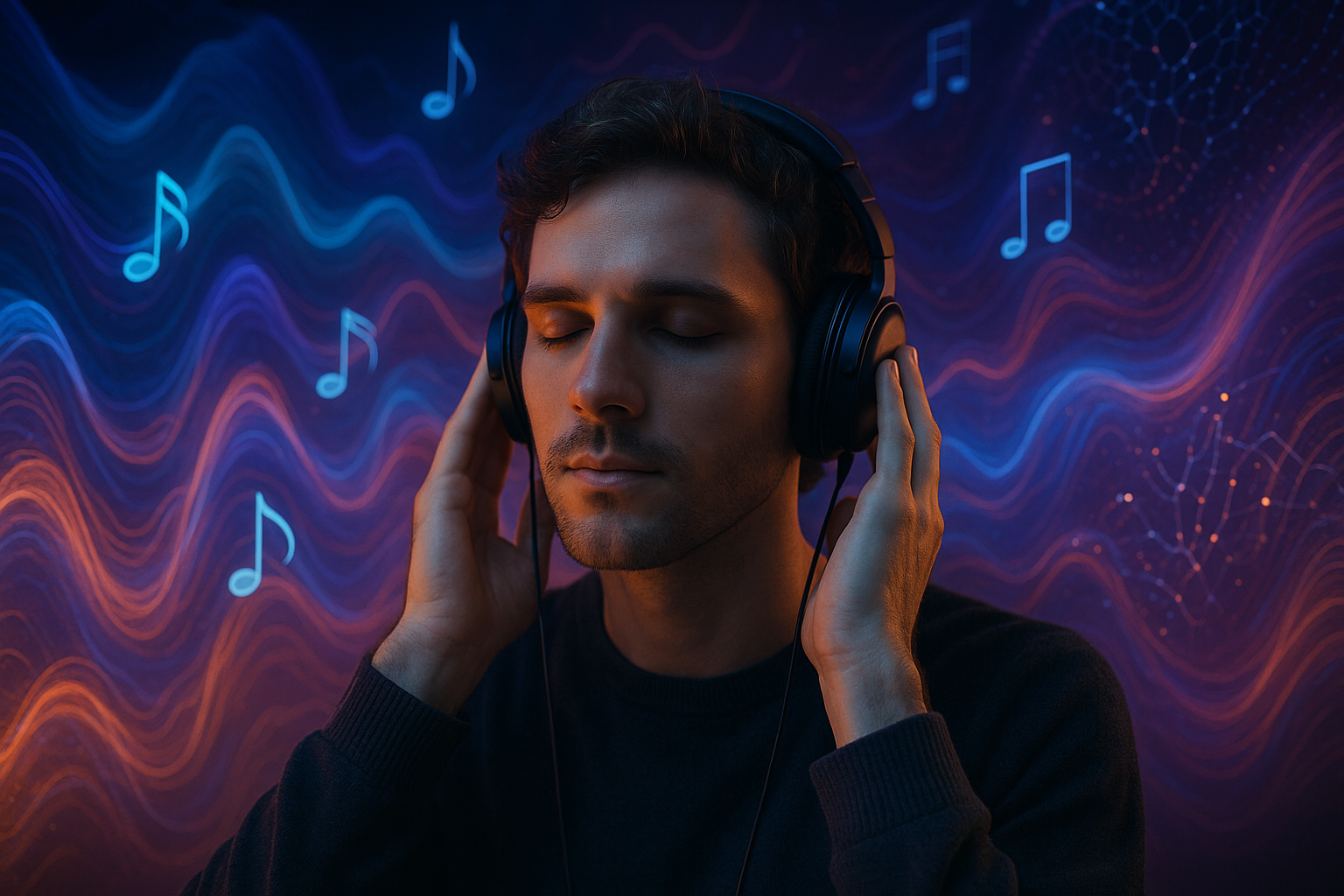
In an era where music consumption is often defined by playlists and fleeting trends, a countercurrent is emerging: the rise of the "loop maximalists." These listeners forge deep, almost ritualistic connections with specific songs, playing them repeatedly until every note becomes an intimate part of their emotional landscape. This phenomenon isn't new—humans have long found comfort in repetition—but the digital age has amplified both the scale and intensity of this behavior. Streaming platforms now offer instant access to millions of tracks, yet many listeners return obsessively to a select few. This selective looping transforms songs from mere entertainment into profound emotional anchors.
What distinguishes loop maximalists in today’s music ecosystem is not just their endless repetition but their desire for novelty within familiarity. They crave the delicate balance between the comfort of a beloved melody and subtle variations that keep that connection alive. This paradoxical need sets the stage for a transformative role of artificial intelligence in music consumption: enabling infinite personalized variations of cherished tracks tailored precisely to individual moods, moments, and emotional states.
AI-driven music personalization is no longer a futuristic concept—it’s rapidly becoming embedded in mainstream listening experiences. Platforms like Spotify have long used machine learning to recommend tracks, but next-generation tools are pushing beyond curation into real-time, adaptive music generation. Companies such as Suno AI and Udio are pioneering AI models capable of remixing and regenerating tracks on the fly, creating personalized musical iterations that maintain the core emotional and melodic “DNA” of a song.
For example, Suno AI’s generative engine can take a user’s favorite song and produce multiple variations that subtly shift instrumentation, tempo, or vocal style—offering infinite remix possibilities without losing the essence that made the track resonate initially. Udio’s AI focuses on emotional adaptation, modifying tracks based on physiological inputs like heart rate or skin conductance, enabling music to mirror a listener’s real-time emotional state. This level of personalization empowers loop maximalists to experience their beloved songs as dynamic, evolving companions rather than static recordings.
The loop maximalist’s paradox—seeking both repetition and variation—finds its roots in fundamental psychological principles. Research in cognitive neuroscience shows that humans crave familiarity because it activates reward circuits in the brain, releasing dopamine and producing feelings of pleasure and safety. Yet, too much repetition without change can lead to habituation, where the brain’s response diminishes over time.
Novelty, even in small doses, re-engages attention and emotional response, preventing boredom and maintaining a song’s emotional potency. This dynamic interplay between familiarity and novelty explains why loop maximalists often seek remixes, covers, or subtle variations of the same song. AI’s ability to generate infinite, personalized musical variations perfectly aligns with this psychological need, continuously refreshing the listener’s experience while preserving the core elements that trigger emotional resonance.
One of the most impressive feats of AI in music today is its capacity to deconstruct and reconstruct songs in ways that preserve their emotional core. By analyzing a track’s melodic structure, harmonic progressions, rhythm patterns, and vocal timbres, AI models can identify the essential “emotional DNA” that defines a song’s impact. This enables the generation of variants that maintain the song’s identity even as surface elements shift.
For example, OpenAI’s Jukebox model demonstrates how AI can generate new compositions in the style of an original artist, preserving vocal inflections and instrumental timbres. Similarly, startups like Amper Music and AIVA allow users to create customized versions of tracks that adjust instrumentation or mood without losing the song’s recognizable features. This capability is crucial for loop maximalists who want their favorite songs to evolve alongside their changing emotional needs while retaining the deep connection that made those songs meaningful in the first place.
Beyond generating variations, AI is increasingly being used to tailor music to listeners’ moment-to-moment emotional and physiological states. Tools like Endel use AI to create “personalized sound environments” that adapt based on inputs such as time of day, weather, and biometric data. This approach transforms music from a passive background element into an active emotional companion.
Imagine a loop maximalist’s favorite track morphing subtly to reflect their current mood—slowing down during moments of stress, adding uplifting harmonies when energy dips, or introducing calming textures when anxiety rises. Spotify’s recent experiments with “Mood Mix” playlists that dynamically update based on listening behavior hint at this future. AI’s capacity for emotional customization elevates music into a form of personalized emotional armor—helping listeners regulate mood, enhance focus, or find solace.
The deep emotional and physiological responses to music are well documented. Neuroscientific studies reveal that music can trigger somatic reactions—changes in heart rate, respiration, and even hormone levels—that influence mood and well-being. Personalized music experiences, empowered by AI, intensify these effects by matching musical elements to the listener’s unique neurological and bodily states.
For example, research published in Frontiers in Human Neuroscience indicates that music tailored to individual affective states can enhance emotional regulation and reduce stress more effectively than generic playlists. AI’s ability to adapt tempo, key, and dynamics in real time means that music can serve as a neural reset button—calming the nervous system or boosting arousal as needed. For loop maximalists, this means their favorite songs don’t just evoke memories but actively shape their present physiological state, reinforcing the emotional bond.
Looking ahead, music is poised to evolve from a static art form into a dynamic emotional technology—one that integrates seamlessly with biometric data, augmented reality, and even brain-computer interfaces. Imagine AI-generated music that anticipates emotional shifts before the listener consciously recognizes them, or tracks that adapt in real time during meditation, workouts, or social interactions.
Companies like Neuralink and Muse are already exploring brainwave monitoring, which could soon feed data into AI music platforms to create hyper-personalized experiences. The loop maximalist’s ideal—a song that is both a familiar refuge and an evolving emotional companion—will become accessible to a broader audience. Music will no longer be something we consume passively but a co-created, living experience that supports mental health, creativity, and emotional resilience.
This shift toward hyper-personalized, AI-driven music consumption has profound cultural implications. Traditional notions of shared musical experiences may fragment as listeners increasingly inhabit personalized soundscapes tailored to their unique emotional geographies. Loop maximalists, once niche, may become archetypal users of music technology, influencing how culture, memory, and identity intertwine with music.
Moreover, the act of listening may become more introspective and ritualized, with music serving as a tool for self-exploration and emotional regulation. This could reshape social practices around music—affecting concerts, radio, and communal listening. Platforms like Spotify and Apple Music are already experimenting with interactive features that invite users to shape their listening journeys, signaling a broader cultural move toward personalized sound environments.
For artists and the music industry, AI-enabled personalization presents both challenges and opportunities. While the traditional model of fixed recordings may diminish, new revenue streams will likely emerge from AI-generated remixes, personalized experiences, and licensing for adaptive music technologies. Artists can deepen fan engagement by collaborating with AI platforms to create living versions of their work that evolve over time.
Labels and creators might also leverage AI analytics to understand how different variations of a song resonate emotionally, informing future songwriting and production. Companies like Amper Music provide artists with tools to co-create adaptive tracks, while platforms such as Endel invite musicians to contribute to AI-powered soundscapes. This evolution democratizes creative control but also demands new skills and ethical considerations around authorship and AI’s role in art.
The rise of the loop maximalists and AI’s transformative role in music consumption signal a fundamental shift in how we relate to sound. Music is becoming an intimate, adaptive technology—one that blends familiarity with innovation, anchoring emotional states while continually evolving to meet personal needs. This fusion of psychology, neuroscience, and artificial intelligence heralds a new era where songs are not just artifacts but living companions that accompany us through the complexities of modern life.
As AI music tools mature, the lines between artist, listener, and technological medium will blur, creating a richer, more nuanced sonic landscape. The future promises personalized music experiences that do more than entertain—they heal, motivate, and transform. For loop maximalists and casual listeners alike, this new frontier offers the possibility of forging deeper emotional connections through music tailored uniquely for their minds, bodies, and souls.

